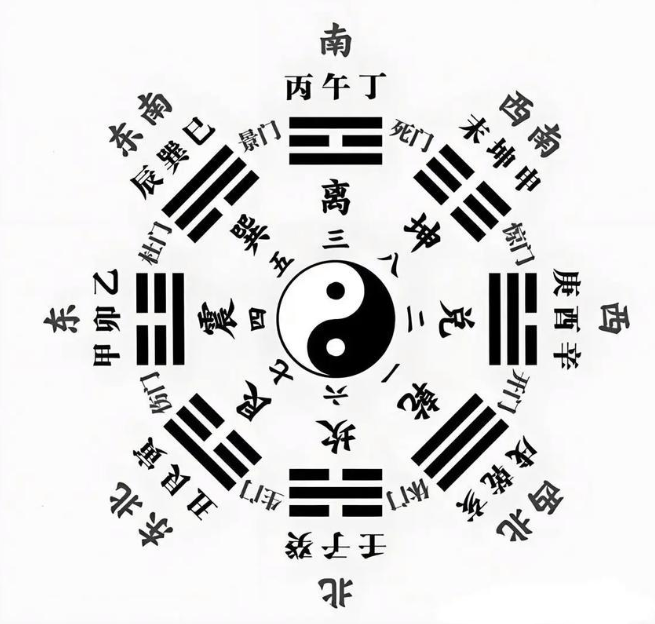
Traditional Chinese architecture is a unique and enduring system that has remained remarkably consistent for over two millennia. Unlike the stone-based monumental architecture of the West, Chinese buildings are primarily characterized by timber-frame construction, sweeping curved roofs, and a profound emphasis on bilateral symmetry. This architectural language is not just about structural integrity; it is a physical manifestation of Chinese cosmological beliefs, particularly the harmony between ‘Tian’ (Heaven) and ‘Ren’ (Man).
The Timber Frame and the Dougung System
At the heart of Chinese architectural engineering is the timber frame. By using wood as the primary material, ancient builders created structures that were both flexible and resilient, capable of withstanding earthquakes that would topple stone buildings. The most ingenious element of this system is the ‘Dougung’—a complex network of interlocking wooden brackets that join the columns to the roof. Dougung allows for the creation of deep, overhanging eaves without the need for internal load-bearing walls, giving Chinese palaces and temples their iconic, floating appearance.
Suzhou Gardens: Nature in Miniature
While imperial architecture emphasizes order and power, the private gardens of Suzhou represent the more poetic and intimate side of Chinese design. These gardens are designed to look like a three-dimensional landscape painting, where every window and doorway acts as a frame for a carefully composed view. The use of ‘borrowed scenery’ (Jiejing) integrates distant hills or trees into the garden’s own composition, creating an illusion of infinite space. In a Suzhou garden, the boundary between the built environment and the natural world is intentionally blurred, reflecting the Taoist ideal of returning to nature.
The Philosophy of Space: Feng Shui and Symmetry
The layout of Chinese buildings is almost always governed by the principles of Feng Shui and symmetry. The north-south axis of the Forbidden City, for example, aligns the Emperor with the celestial pole, symbolizing his role as the mediator between heaven and earth. Courtyard houses (Siheyuan) provide a private, inward-looking sanctuary for the family, with rooms arranged according to seniority and function. This careful organization of space ensures that the flow of ‘Qi’ (energy) is balanced, promoting the health and prosperity of the inhabitants. Today, these ancient principles continue to inspire modern architects seeking to create spaces that are both functional and spiritually resonant.