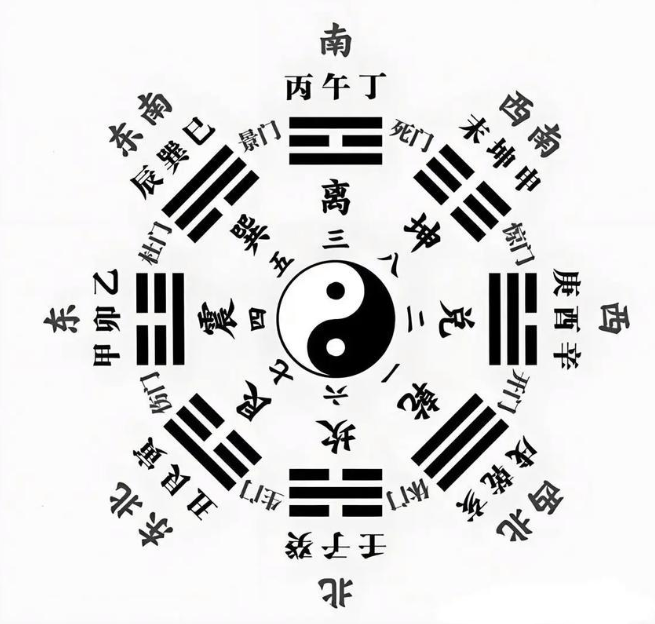
Chinese characters, or Hanzi, represent one of the oldest writing systems in the world that is still in active use today. Unlike alphabetic systems, Chinese characters are logograms, where each symbol represents a meaning or a word rather than just a sound. This unique structure offers a fascinating window into the ancient Chinese worldview, where complex ideas were distilled into elegant, visual forms.
The Evolution from Nature: Pictographs
The journey of Hanzi began over 3,000 years ago with Oracle Bone Script (Jiaguwen). Ancient scribes carved symbols onto turtle shells and ox bones to record divinations. Many of these earliest characters were pure pictographs—direct drawings of physical objects. For instance, the character for ‘mountain’ (山) mirrored the peaks of a range, and ‘water’ (水) flowed like a river. Over centuries, these drawings became more abstract and standardized, evolving through the Seal Script, Clerical Script, and finally into the Regular Script (Kaishu) used today.
Calligraphy: The Soul of the Brush
In Chinese culture, writing is not merely a method of communication; it is a high art form known as Shufa (calligraphy). Using the ‘Four Treasures of the Study’—brush, ink, paper, and inkstone—calligraphers express their inner spirit and discipline through every stroke. The beauty of calligraphy lies in its balance, rhythm, and the dynamic flow of ink. It is often said that one’s character can be seen through their handwriting, making it a practice of self-cultivation as much as artistic expression.
Modern Significance and Global Impact
Today, while digital typing has changed how we interact with characters, the cultural weight of Hanzi remains unshaken. From the minimalist aesthetics of modern graphic design to the meditative practice of morning calligraphy in public parks, these characters continue to bridge the gap between a glorious past and a high-tech future. For learners of the Chinese language, understanding the logic behind these characters is the key to unlocking the profound depths of Chinese philosophy and history.