
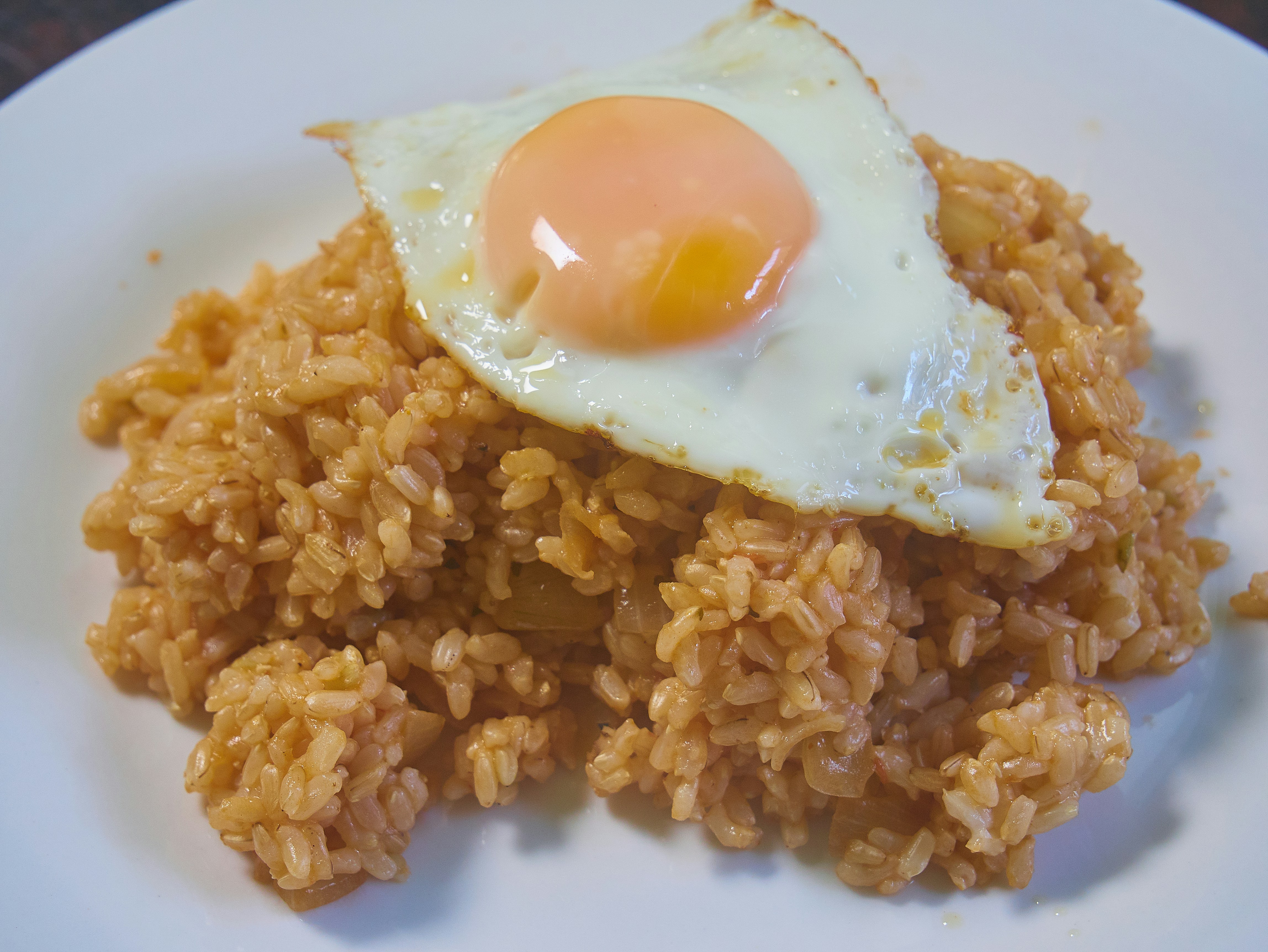
Introduction to Egg Fried Rice
Egg fried rice is a quintessential dish that embodies the essence of Chinese cuisine. While it boasts Chinese origins, this flavorful dish has transcended cultural boundaries, making it popular in various forms across the globe. The dish originated as a means of using up leftover rice and other ingredients, making it an economical and practical choice for many families. Over time, egg fried rice has evolved, yet it remains a symbol of resourcefulness in the culinary world.
With its delightful combination of fluffy rice, scrambled eggs, and varied ingredients, egg fried rice is cherished for its versatility. The basic recipe can be enhanced with a variety of vegetables, proteins, and spices, allowing it to cater to diverse palate preferences. Whether it’s a quick weeknight dinner or a comforting meal during gatherings, egg fried rice provides both nourishment and satisfaction. It can be effortlessly tailored to suit different dietary needs, making it suitable for vegetarian, vegan, and omnivore diets alike.
The cultural significance of egg fried rice extends beyond mere sustenance; it is also a dish that brings people together. Families often gather around the table to enjoy homemade versions, sharing not only a meal but also stories and traditions. This tradition of communal dining reinforces the connection between food, culture, and social interactions. From street vendors in bustling markets to high-end restaurants, egg fried rice can be found in various settings, solidifying its status as a beloved dish in many cultures.
In conclusion, the enduring appeal of egg fried rice lies in its simplicity, versatility, and comfort. As a staple meal in Chinese cuisine and beyond, it continues to be a comforting culinary choice for many, celebrated for both its flavors and the memories it evokes.
Ingredients Needed for Egg Fried Rice
To prepare a delicious serving of egg fried rice, several essential ingredients are required to ensure authenticity and flavor, characteristic of traditional Chinese cuisine. The primary component is, of course, the rice. For optimal results, it is recommended to use day-old, cooked rice, preferably jasmine or long-grain varieties, as they are less sticky and fry well. This helps achieve that coveted texture in your egg fried rice.
Another key ingredient is eggs, which not only add richness but also enhance the dish’s overall flavor. Typically, two to three eggs are adequate for a serving meant for two to three people. In addition to these staples, finely chopped vegetables such as peas, carrots, and bell peppers bring vibrant color and added nutrition. You can tailor the vegetable selection to your personal preferences, incorporating items like spring onions or corn for additional variety.
Seasonings play a crucial role in elevating the dish’s flavor profile. Soy sauce, sesame oil, and white pepper are commonly used in Chinese cuisine to impart depth and aroma. A dash of salt may also be necessary to balance flavors. For those seeking to introduce a twist to the classic recipe, optional ingredients such as meat (chicken, shrimp, or pork) or tofu can be added. These elements not only enhance texture but also increase protein content.
When selecting rice for frying, aim for grains that are slightly dried; this can be accomplished by spreading freshly cooked rice on a baking sheet to cool, which reduces moisture. Similarly, using old rice ensures that the grains are firm enough to withstand stir-frying without becoming mushy, thereby maintaining the integrity of your egg fried rice. With the right ingredients in hand, you’re well-equipped to embark on a culinary adventure through the vibrant world of Chinese cuisine.
Preparing the Rice for Egg Fried Rice
When it comes to creating the perfect egg fried rice, the type and preparation of the rice used is essential. For optimal results, it is widely recommended to use day-old rice, as freshly cooked rice tends to be too moist and can become mushy during the frying process. The moisture content in day-old rice significantly diminishes, resulting in firmer grains that are ideal for stir-frying.
To ensure proper cook times and texture, it is best to start with long-grain varieties of rice such as jasmine or basmati. These types of rice maintain their shape and do not clump together. When cooking the rice, use the absorption method for cooking, which generally involves using a 1:1.5 rice-to-water ratio. Bring the water to a boil, then reduce to a simmer and cover. After about 18 minutes, remove from heat and let the rice rest with the lid on for another 10 minutes. This process allows the rice to steam, creating a fluffy texture.
Once the rice has been cooked, it is crucial to cool and store it correctly to prepare it for egg fried rice. Spread the cooked rice out on a baking sheet to allow it to cool quickly, which helps to separate the grains. After cooling to room temperature, the rice can be stored in an airtight container in the refrigerator for up to a day. This allows the flavors to meld while ensuring the rice has the perfect consistency for frying.
In summary, using day-old rice is an integral step in achieving the perfect egg fried rice. Proper cooking techniques and storage can elevate your dish to a new level within the realm of Chinese cuisine.
Step-by-Step Cooking Method
To create the perfect egg fried rice, a dish deeply rooted in Chinese cuisine, follow this detailed step-by-step guide that ensures every ingredient harmonizes wonderfully.
Begin by preparing your ingredients in advance: you will need leftover cooked rice, which is preferable since it is drier, along with eggs, vegetables, and soy sauce. The first step involves cooking the eggs. Heat a wok or a large frying pan over medium heat and add a small amount of oil. Crack the eggs into the pan and scramble them gently until fully cooked. Transfer the eggs to a plate and set aside.
Next, it’s time to enhance your dish with vegetables. Use diced carrots, peas, and any other vegetables you prefer, such as bell peppers or green onions. In the same pan, add a little more oil if required and toss in the vegetables. Stir-fry them for a couple of minutes until they are tender but still crisp. This step is crucial as it adds flavor and nutrients to your egg fried rice.
Once your vegetables are ready, it’s time to add the cold rice. Break up any clumps and add it to the pan, combining it with the vegetables. Ensure that the rice is mixed thoroughly to coat it with the flavors from the pan. This part allows the dish to absorb all the flavors from the vegetables and the egg.
Now, return the scrambled eggs back to the pan. Gently fold them into the rice mixture, ensuring that every grain of rice is infused with the delicious flavors. To enhance the taste, drizzle soy sauce over the rice, mixing well to combine all elements evenly. You may adjust the quantity of soy sauce to suit your palate.
Finally, let everything cook together for a few more minutes, allowing the flavors to mingle. Serve piping hot, and enjoy a delicious platter of egg fried rice, showcasing the beautiful integration of techniques that reflect the essence of Chinese cuisine.
Common Variations of Egg Fried Rice
Egg fried rice is a versatile dish that offers a multitude of variations, reflecting the diverse culinary practices found within Chinese cuisine and around the world. At its core, this delightful dish combines rice and egg, but the addition of various proteins, vegetables, and spices can transform it into a unique and personalized masterpiece.
One popular variation includes the incorporation of different proteins. For instance, chicken, shrimp, or even pork can be added to the rice, enhancing its flavor and nutritional profile. While the classic egg fried rice is often vegetarian-friendly, adding these protein elements brings a hearty depth to the dish, catering to different dietary needs and preferences.
Vegetables also play a crucial role in diversifying the flavor of egg fried rice. Traditional choices such as peas, carrots, and bell peppers can be elevated with the inclusion of bok choy, bean sprouts, or even spinach for a more vibrant and healthy dish. Incorporating a mix of colorful vegetables not only enhances the aesthetic appeal but also bolsters the nutritional value of the dish.
Spices and sauces can further personalize your egg fried rice. The classic soy sauce adds umami, while options like oyster sauce or sesame oil can enhance the dish’s flavor profile, showcasing regional variations within Chinese cuisine. For those seeking a kick, chili sauce or fresh chili peppers can be included to bring some heat to the plate, catering to those who appreciate a spicier palate.
In essence, egg fried rice can easily be adapted to suit individual tastes. By experimenting with various proteins, vegetables, and spices, you can create a dish that reflects your preferences while still celebrating the foundational elements of this beloved cuisine.
Tips for Perfecting Your Egg Fried Rice
To reach the pinnacle of creating egg fried rice, several key techniques can make a noticeable difference in flavor and texture. First, heat control plays an integral role in the cooking process. Using a high heat setting while stir-frying will ensure that the ingredients cook quickly, retaining their individual textures and flavors. A well-heated wok or pan can achieve that sought-after ‘wok hei’—a fragrant, smoky aroma that is characteristic of traditional Chinese cuisine.
Next, to avoid a soggy mess, it is essential to use cold, day-old rice. Freshly cooked rice tends to retain moisture, leading to clumping when frying. By allowing the rice to chill in the refrigerator overnight, you ensure that each grain is firm and distinct, creating that perfect silky yet separate texture in your dish. When heating the rice, breaking up any clumps gently with a spatula will aid in even cooking.
Incorporating the eggs is another vital element. Be sure to scramble them separately before introducing them to the rice. This method provides better control over the doneness of the eggs, allowing for a fluffy addition to the dish. Moreover, vary the texture and color of your egg fried rice by including a rainbow of vegetables; bell peppers, peas, and carrots not only enhance the visual appeal but also complement the flavors of the fried rice beautifully.
Lastly, garnishing is crucial in elevating your dish. Simple touches like sliced green onions or a sprinkle of sesame seeds can provide a burst of color and additional crunch. Consider these as essential elements to perfecting your egg fried rice, allowing your dish to stand out in both taste and presentation.
Serving Suggestions and Pairings
Egg fried rice, a cornerstone of Chinese cuisine, is not only delightful on its own but also versatile in terms of what it can be paired with to enhance the overall dining experience. When serving this dish, it is beneficial to consider complementary side dishes, sauces, and beverages that can elevate its flavors.
For side dishes, consider options such as crispy spring rolls, which add a satisfying crunch, or dumplings filled with savory ingredients, which can provide a hearty contrast. Additionally, a fresh green salad tossed in a light sesame vinaigrette can introduce a refreshing palette cleanser to balance the richness of the egg fried rice. Stir-fried vegetables, such as bok choy, snow peas, and bell peppers, also make an excellent accompaniment, bringing color and nutrition to the meal.
When it comes to sauces, soy sauce is a traditional choice that pairs well with egg fried rice, allowing individuals to customize the saltiness and flavor intensity to their liking. For those seeking an extra kick, chili sauce or sriracha can introduce a spicy element, while sweet and sour sauce offers a contrasting sweetness that some may prefer. Alternatively, a drizzle of oyster sauce can enhance the umami profile, making the dish even more appealing.
As for beverages, a well-chilled Chinese tea can complement egg fried rice beautifully. Options such as jasmine tea or oolong tea can provide a fragrant counterpoint to the dish. If a bubbly drink is preferred, a light lager or a fruity Asian beer could also pair nicely, providing a refreshing counterbalance to the flavors in the meal.
Nutritional Value of Egg Fried Rice
Egg fried rice, a staple in Chinese cuisine, offers not only a delightful taste but also a notable nutritional profile. Typically, a serving of egg fried rice contains approximately 250 to 300 calories, depending on the ingredients and preparation methods used. The primary components contributing to its caloric content are carbohydrates from rice, proteins from eggs, and fats, which may come from oil used in cooking.
In terms of macronutrients, a serving can provide around 10-15 grams of protein, largely sourced from the eggs. Eggs are an excellent source of high-quality protein, providing essential amino acids necessary for muscle growth and repair. The carbohydrate content ranges from 30 to 40 grams, offering a significant energy source, particularly beneficial for an active lifestyle. However, the nutritional credits of egg fried rice can vary substantially based on the type of rice used and the additional ingredients included.
While traditional egg fried rice can be delicious, there are avenues to enhance its nutritional value. For instance, opting for brown rice instead of white can increase the fiber content, promoting better digestion and prolonged satiety. Additionally, incorporating vegetables such as peas, carrots, or bell peppers can add vitamins, minerals, and antioxidants, transforming this dish into a more balanced meal. Another healthier adjustment is using less oil or choosing healthier fats, such as olive or avocado oil, which contain beneficial monounsaturated fatty acids. Such modifications can help maintain the dish’s rich flavor while making it more health-conscious. Overall, with thoughtful ingredient choices, egg fried rice can be both a delicious and nutritious component of a well-rounded diet.
Conclusion: Embrace the Egg Fried Rice Experience
In conclusion, egg fried rice is more than just a simple dish; it is a celebration of flavors, textures, and cultural influence within Chinese cuisine. As we have explored, this dish is not only versatile, accommodating various ingredients and styles but also rich in history and culinary technique. Whether you prefer the classic recipe or an innovative variation, creating your own egg fried rice opens a gateway to grasping the fundamentals of frying rice and understanding the balance of flavors.
Encouraging readers to embark on their cooking journey, it is important to remember that perfection comes with practice. Experimenting with different vegetables, proteins, and sauces can lead to delightful discoveries, allowing each individual to tailor their egg fried rice to their tastes. Additionally, sharing experiences with others can enhance the communal aspect of enjoying food. Invite family and friends to join in the cooking process, and don’t hesitate to share your culinary adventures and tips online.
For those who have already mastered the technique, consider exploring regional variations of fried rice found across Asia, each boasting its own unique flair while celebrating rice as a staple food. In doing so, you broaden your understanding of this essential dish within not just Chinese cuisine but numerous cultures worldwide.
Ultimately, we hope this journey inspires you to not only enjoy egg fried rice at your table but also to appreciate the cultural significance it brings along. Go ahead, immerse yourself in the experience, and may your egg fried rice become a cherished part of your culinary repertoire!